Mission
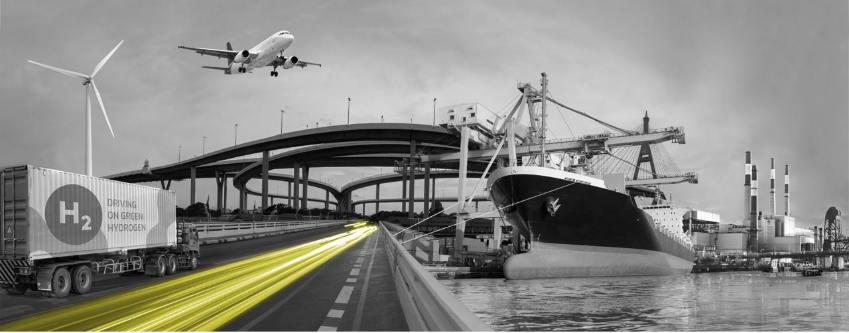
Hy2Market's core mission is to develop a more mature hydrogen value chain in Europe. This is achieved by identifying and overcoming barriers along the value chain, such as production, transportation, industrial use, and mobility, as well as broad integration with common standards, legislation, and practices, enabling hydrogen to play a significant role in achieving the Fitfor55 and 2050 decarbonization goals.
Vision
The initiative seeks to make hydrogen a widely available energy vehicle ready for large-scale use, basing its objectives on a transition to a green and sustainable energy system based on carbon-neutral fuels, as well as by strengthening the competitiveness of European regions and companies in the global hydrogen market.
Hy2Market ("Hydrogen TO enter MARKets reducing carbon Emissions footprinT in Europe") is a cross-regional collaborative initiative whose main objective is to mature and accelerate the green hydrogen value chain across Europe.
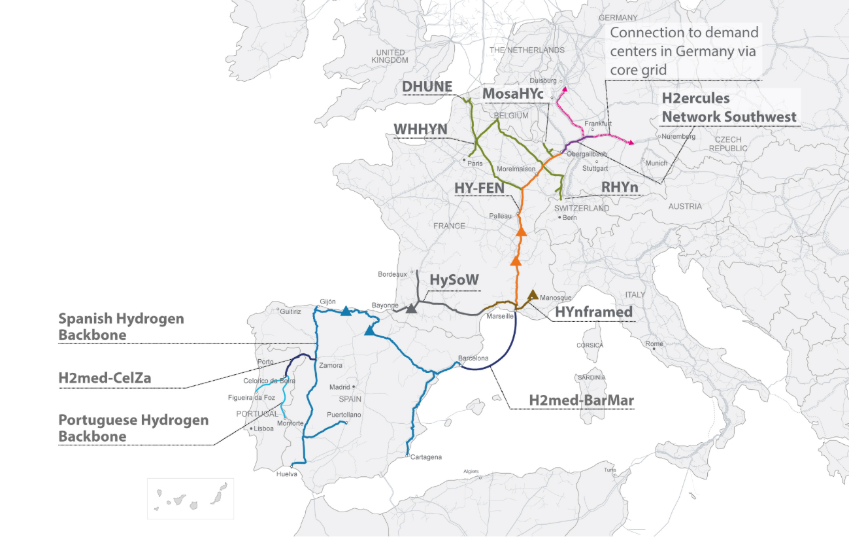
The project brings together leading regions in the hydrogen ecosystem (such as the Northern Netherlands, Upper Austria, and Rhône-Alpes) with emerging regions (including Sicily, Western Macedonia, Constanta, and several Spanish and Portuguese regions). This collaboration seeks to evaluate the hydrogen market by connecting supply and demand on an interregional scale.
Hy2Market focuses on demonstrating and investing in high-technology maturity solutions (TRL 7-9) across the entire value chain, focusing its objectives on:
- Production and Management: Investments in pilot plants and development of control systems to optimize the efficiency and reduce the costs of green hydrogen (e.g., 200-300 kW electrolysis in Sicily and waste-to-hydrogen recovery in Aragon).
- Transport: Demonstration of infrastructure solutions such as H2-tight polymer pipelines and compression/purification technologies.
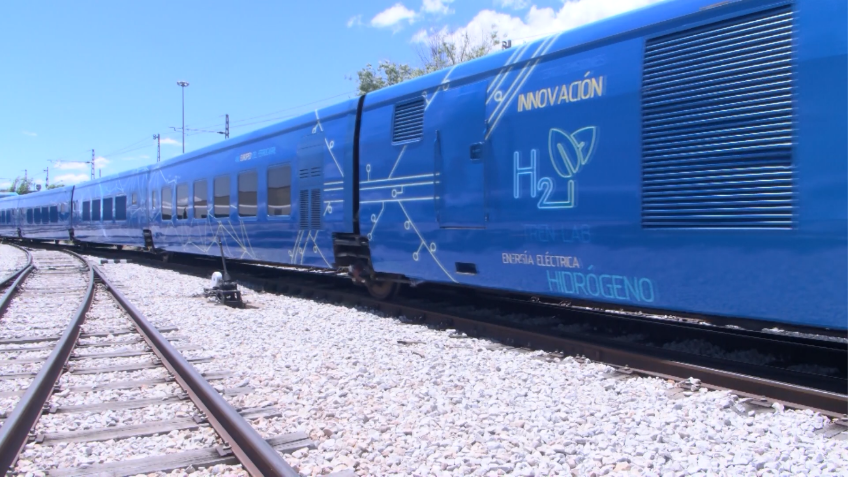
- End Use: Integration and use in hard-to-decarbonize industrial sectors (such as steel mills and power plants) and in mobility applications (such as buses and mobility-as-a-service platforms).
To ensure impact and replicability, the project includes a significant knowledge-sharing component to address regulatory and standardization challenges and disseminate best practices, promoting economic development and green job creation in participating regions and beyond.